Introduction
In an unforeseeable globe, knowing how to save a life can be the most powerful skill one might possess. Cardiopulmonary resuscitation, typically called CPR, is a vital device in emergency situations where somebody's heartbeat has actually stopped. It's crucial for not just medical care experts however also for ordinary citizens that want to make a distinction. This substantial article delves into the nuances of CPR, including its significance, methods, and the extensive training offered in mouth-to-mouth resuscitation courses.
Understanding CPR: The Lifesaving Skills Educated in Mouth-to-mouth Resuscitation Courses
CPR is more than just a series of compressions and breaths; it is a lifesaving strategy that incorporates knowledge with sensible abilities. Understanding CPR entails acknowledging when it is necessary and implementing the ideal steps efficiently. The primary objective of mouth-to-mouth resuscitation is to preserve blood circulation to crucial body organs until expert clinical assistance shows up.
Why Is Discovering CPR Important?
Lifesaving Potential: Among the most engaging factors to discover CPR is its ability to conserve lives. According to the American Heart Association (AHA), instant mouth-to-mouth resuscitation can increase or perhaps triple a sufferer's chance of survival after cardiac arrest.

Common Occurrences: Heart attacks can take place anywhere-- in your home, work, or public places. Having individuals learnt CPR raises the chance of timely assistance.
Empowerment: Understanding mouth-to-mouth resuscitation encourages individuals with the self-confidence and ability to act emphatically during emergencies.
Community Impact: An area outfitted with people trained in emergency treatment and CPR produces safer environments for everyone.
What Are the Goals of an Emergency Treatment Course?
First help courses normally aim to gear up individuals with important abilities required in emergency situations:
- Understanding Standard Life Support (BLS): Participants learn more about airway administration, breathing support, and blood circulation restoration. Identifying Emergencies: Training includes recognizing various emergency situations like choking, sinking, or heart attacks. Learning Techniques: Practical sessions concentrate on hands-on learning of methods such as upper body compressions and rescue breaths.
Types of CPR Courses Available
There are numerous types of mouth-to-mouth resuscitation programs offered depending on specific needs:
Basic Life Support (BLS):- Aimed at healthcare providers and professionals. Covers adult, kid, and infant resuscitation techniques.
- Designed for laymans or non-healthcare professionals. Emphasizes emergency treatment essentials together with adult/child/infant resuscitation.
- Convenient alternative for those with tight schedules. Often consists of video demonstrations however does not have hands-on technique unless incorporated with in-person sessions.
- Tailored programs developed for certain office environments. Focus on pertinent scenarios staff members may encounter.
What Abilities Are Covered in Emergency Treatment and Mouth-to-mouth Resuscitation Courses?
1. Identifying Emergencies
Participants discover exactly how to determine critical circumstances calling for treatment quickly.
2. Performing Breast Compressions
Chest compressions are essential in keeping blood circulation throughout cardiac arrest.
3. Carrying Out Rescue Breaths
Breathing strategies guarantee oxygen reaches essential organs when somebody can not take a breath independently.
4. Using an Automated External Defibrillator (AED)
Training often includes just how to utilize an AED efficiently, which can restore typical heart rhythms.

5. Handling Choking Incidents
Students are instructed just how to carry out stomach drives on choking victims both grownups and infants.
6. Taking Care Of Various Other Medical Emergencies
Courses may additionally cover different clinical situations like strokes or extreme allergic reactions.
The Importance of Qualification After Finishing a Course
Obtaining a first aid certificate after completing your training is essential for several reasons:
- It verifies your abilities and knowledge. Many offices call for accreditation for certain roles. It develops reliability amongst peers and employers concerning your readiness to react in emergencies.
Detailed Description of Key Techniques Taught in Mouth-to-mouth Resuscitation Courses
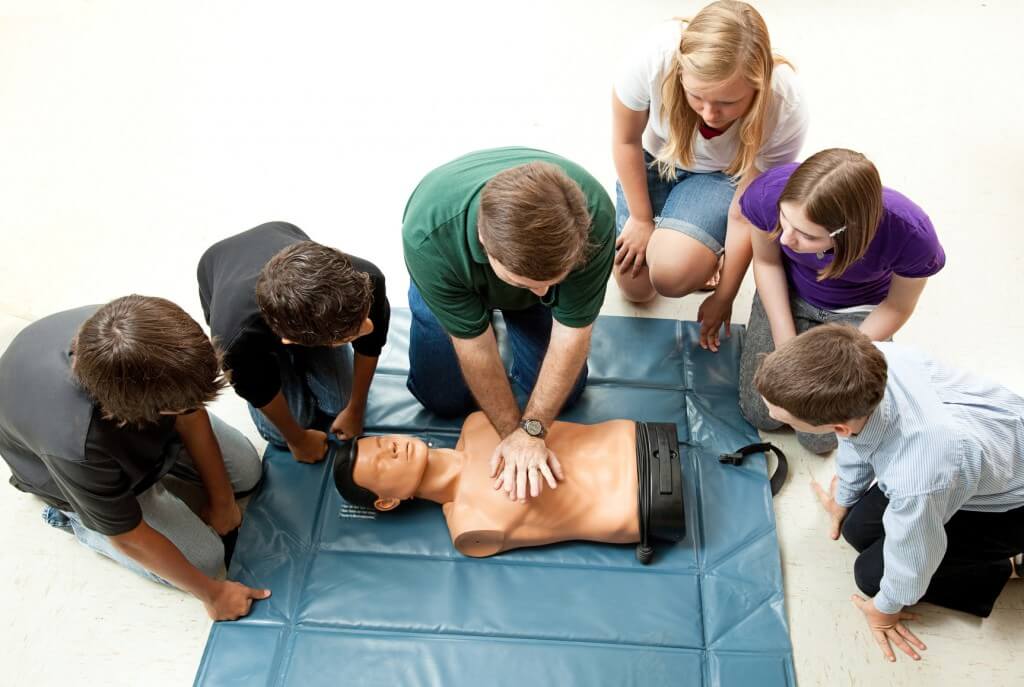
Chest Compressions: The Structure of CPR
Chest compressions are perhaps the most important aspect of doing effective cardiopulmonary resuscitation since they distribute blood with a sufferer's body also when their heart has actually stopped beating:
- Place your hands at the center of the person's chest. Keep your elbows directly while weighing down hard and fast at a rate of 100-- 120 compressions per minute. Allow complete upper body recoil in between compressions for optimum blood flow.
Rescue Breaths: Giving Oxygen When It Issues Most
After every 30 CPR certification courses Brisbane breast compressions, it is important to offer 2 rescue breaths if trained:
Recognizing Cardiac Arrest vs Other Emergencies
Understanding when to initiate mouth-to-mouth resuscitation can be tricky however is paramount:
- Look for unresponsiveness coupled without normal breathing or pulse-- this shows cardiac arrest. In instances where there is still taking a breath yet it appears uncommon (wheezing), call emergency services quickly before proceeding with rescue efforts.
Using AEDs Efficiently Throughout Emergencies
An Automated External Defibrillator (AED) provides clear guidelines using visual motivates and voice commands:
Turn on the AED as soon as you get it from its case. Attach pads according to illustrations on them-- one pad needs to go above the ideal nipple area while one more goes below the left armpit. Ensure nobody touches the sufferer while evaluating their heart rhythm; deliver shock if encouraged by tool prompts.FAQs About Comprehending CPR
Q1: For how long does it take to finish a first aid course?
A: Most emergency treatment programs last between 4-- 8 hours depending upon material depth; advanced qualifications might require longer sessions topped several days.
Q2: Can I take a first aid course online?
A: Yes! Numerous organizations offer combined discovering choices where academic parts are finished online adhered to by useful evaluations in person.
Q3: Is accreditation legitimate indefinitely?
A: No; qualifications usually need revival every two years as a result of developments in standards and methods within emergency situation reaction training sectors like those entailed with emergency treatment courses or BLS accreditations specifically focused on effective treatment delivery techniques throughout crises experienced across various environments-- from homes via workplaces!
Q4: Will I learn exactly how to help kids or infants?
A: Yes! The majority of quality training courses cover techniques tailored particularly towards pediatric patients along with adult-focused training components ensuring wider applicability throughout age groups during emergency situations encountered everyday within our communities!
Q5: What are some common misunderstandings regarding doing CPR?
A: A common false impression is that you must not attempt any form up until skilled specialists arrive; nevertheless acting swiftly can considerably enhance outcomes if launched properly using details obtained with structured programs like those supplied within First Aid & & CPD settings!
Q6: Do I need any type of unique devices for my training session?
A: Normally speaking all required products will be given by teachers including manikins made use of technique scenarios involving both compression-only variations along with conventional rescue breath formats making sure detailed understanding obtained throughout coursework undertaken within marked durations set aside appropriately based upon private schedules/preferences!
Conclusion
In conclusion, comprehending cardiopulmonary resuscitation (CPR) equips people with life-saving skills that can indicate the difference between life and fatality during emergency situations entailing cardiac arrest or various other wellness crises calling for immediate treatment prior to specialist help arrives! Enlisting on your own into licensed first aid training courses ensures you're prepared must an unfortunate event happen around you-- empowering not just individual confidence yet likewise cultivating area resilience general! Whether you pick online classes combined learning approaches conventional class setups eventually leads towards obtaining beneficial understandings improving feedback capacities responding effectively in the middle of unpredictability dealt with regularly navigating unpredictable circumstances inherent daily living experiences shared collectively across society today!
By prioritizing education and learning surrounding these critical topics we produce much safer environments cultivating more powerful links in between people making entire communities healthier holistically moving forward together united actively towards accomplishing common objectives envisioned throughout shared journeys ahead loaded promise hope better futures await us all-- one heartbeat at time!